Over Martin Luther King Jr Day holiday, I took off early from work and went south to visit some of the barrier islands and fortifications preserved along the Atlantic coast. I got out of work early on Thursday and made it to Lumberton, NC to get a better jump on Friday travels.
I got up and out early on Friday, and made my first stop at the Santee National Wildlife Refuge. I’ve grown to enjoy visiting refuges, and I’ve had great luck seeing birds of prey in previous visits:
Santee National Wildlife Refuge:
How’d I find it? Wildlife refuges are part of the park travelers site I belong to, and I’ve found them to be great hidden gems. I almost always see large birds of prey, and they are almost always quiet. The National Fish and Wildlife Service tagline is that Wildlife Comes First (and it’s true, the Park Service is about conservation and enjoyment. Refuges can have visitor services, but the intent is for spaces for wildlife. For this, they also call themselves the hidden gems of public lands)
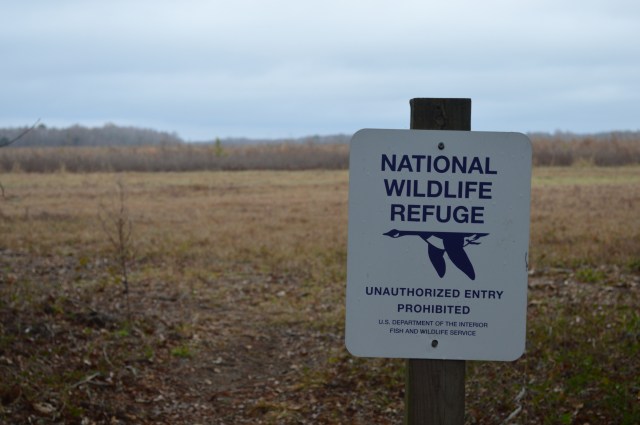
What was notable? The refuge had most of the area blocked off since migrating birds were on their way in and out. I did see some flocks of birds in the distance at the very edge of the walkable space, but the signs clearly stated don’t go in.
The most interesting spot for me happened to be more historical, rather than natural, which is unusual for such a nature forward spot. The Refuge is on the shores of Lake Marion. Most people would know the lake from driving over it on Interstate 95, and it has it’s own history for being one of the first hydroelectric dammed lakes in South Carolina. Before the lake was created, the Santee and Cooper rivers provided paths of travel between Charleston and spots further inland.
The Santee tribe constructed a burial mound near the current lake site, which was taken over by the British as part of a system of forts between Charleston and inland South Carolina. The Fort Watson site was targeted by Light Horse Lee and Francis Marion (The Swamp Fox!) I had read about Marion before, but never stepped in his footsteps before. He was seen as one of the inspirations for the Mel Gibson movie The Patriot and took part in what would be called unconventional warfare.
The Americans decided to build a tower to shoot down on the fort, and were able to capture the fort from the British and end control of the river and the road connections into the state.
What was my takeaway? It was a quicker trip, but full of surprises. The place was quiet, and had views of the lake and low country. I was able to take in southern views of Spanish moss on trees, and seeing local folks fishing. The nature trail was a nice look into swampy areas that would usually be submerged and then spot flocks and flocks of birds flying south for the winter.
The added historical spot was a great find as well! It’s a mix of Native American history, that’s often under looked, and a less known American victory in the Revolutionary War. I think overall, the Revolutionary War gets far less attention than it deserves. We all know of the politicians working in Philadelphia during the War, but I can hardly remember any mentions of the Swamp Fox during school.
Francis Marion himself presents a challenge of history though: if America had lost, we would think of him as a guerilla terrorist, operating in the shadows and swamps. As a patriot on the American side, he’s seen as the founder of special forces in the USA. History is always written by the winners like that!

